 Sacred Architecture · March 2025
Inside the Gilded Churches: On Beauty as a Form of Defiance
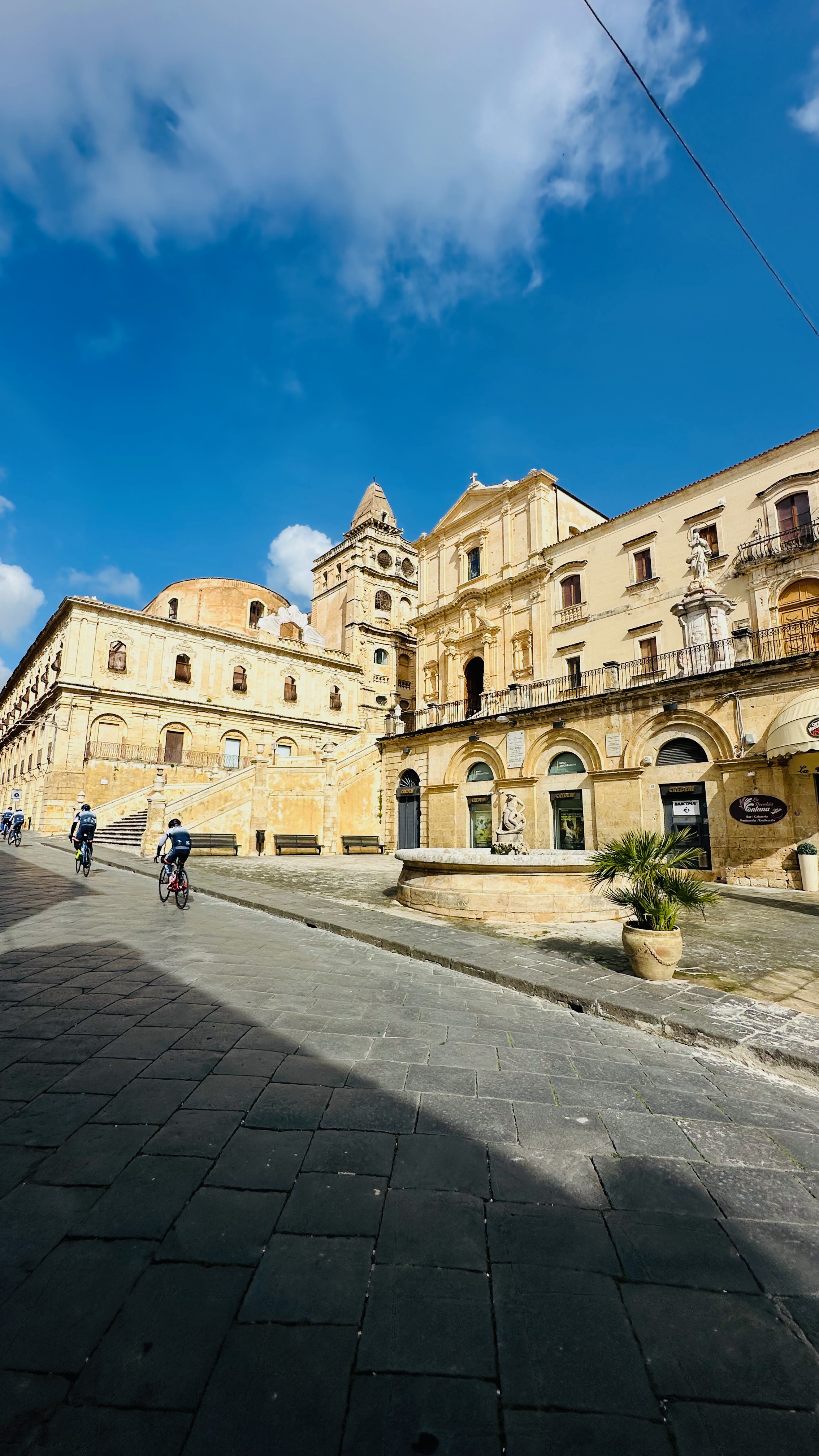
The gold inside the churches of the Noto Valley is not decorative. It is an argument. An argument made by a people who had very little, in response to centuries of occupation by people who had everything — Arab, Norman, Spanish, Bourbon — and who insisted that beauty was a form of survival.
Walk into any of the baroque churches in Noto or Modica or Ragusa Ibla and you are walking into a theology of excess that is actually a theology of refusal. These gilded ceilings, these painted vaults, these altars encrusted with precious stones — they were built by communities that could not afford them, which is precisely why they built them.
Understanding this changes what you see. You stop looking at the gold and start reading what the gold was saying.
Subscribe to the Journal
 Heritage · February 2025
The Baroque Trail: Why the Façade Is Never Just a Façade
In Sicily, the baroque style arrived as a response to catastrophe. The 1693 earthquake destroyed the entire southeastern corner of the island — entire cities leveled overnight. What was rebuilt in the decades that followed was not a reconstruction. It was a reimagining. The new cities that rose from the rubble were designed, from the ground up, as declarations.
The façades of these churches — Noto's Cathedral, the churches of Modica and Scicli, the palazzi of Ragusa Ibla — are not ornamentation. They are statements of permanence, of civic pride, of refusal to be erased by geology or history. Standing in front of one and simply looking at it takes longer than most tourists allow themselves. The story is in the stone if you are willing to stay.
Subscribe to the Journal
 Food & Land · March 2026
What We Eat: A Season at the Farm Table
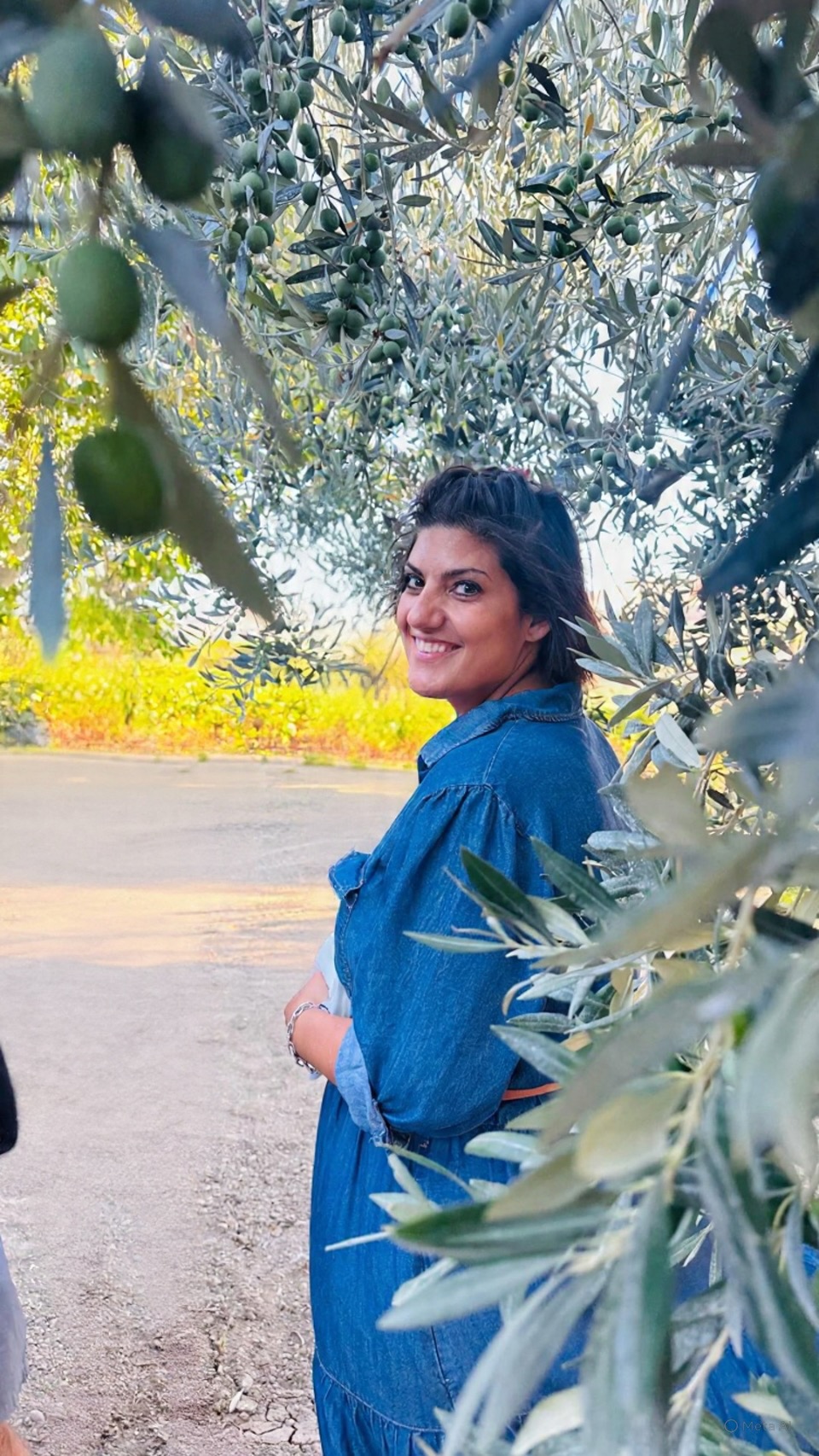
The food at the Sparacia family table changes according to what the land is doing. This is not a philosophy. It is simply logistics — in a rural Sicilian household with its own land, you eat what is ready. In October it is tomatoes preserved in August, the new oil from the press, the peppers and eggplant from the summer garden now in oil or under salt. In January it is braised meat, dried legumes, the citrus that comes in through December and January and smells, always, the way it has always smelled.
There are no menus at these lunches. There is no explaining the cuisine. There is the table, and what is on it, and the people who put it there because you were expected and they cook this way regardless. This is what Josephine means when she talks about eating in Sicily. Not a restaurant. A table you were invited to sit at.
Subscribe to the Journal